
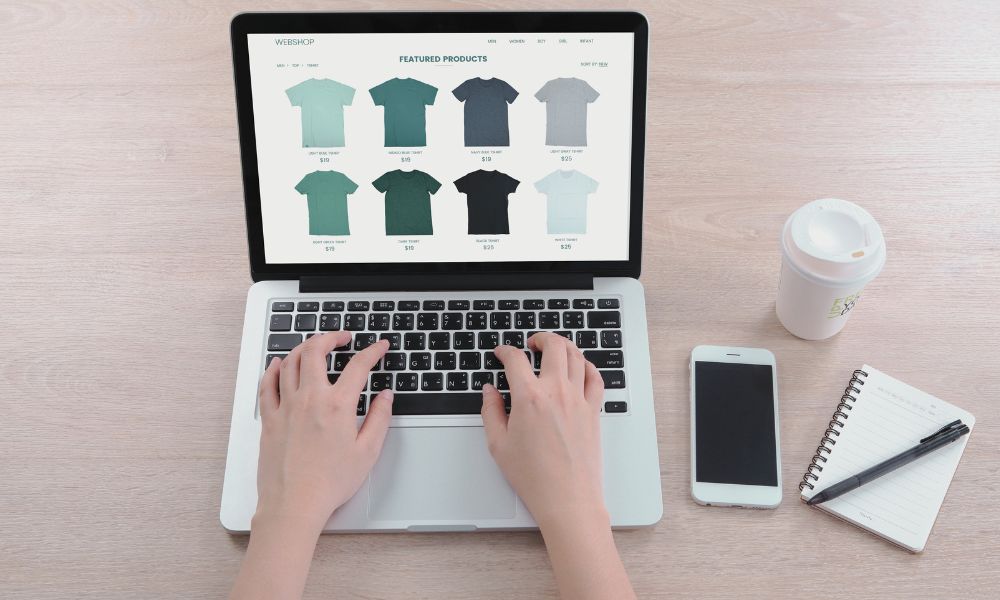
Understanding Ecommerce Web Design for UX, UI, Performance, and CRO
Ecommerce web design focuses on creating online stores that are visually clear, easy to navigate, and optimized for conversions. It blends layout strategy, product presentation, and checkout usability to help users find items quickly and complete purchases without friction. By combining UX, UI, and performance optimization, ecommerce web design ensures fast load times, intuitive interfaces, and a seamless shopping experience across all devices.
Core Elements of Ecommerce Web Design
- Product organization that makes browsing simple and efficient.
- Responsive layouts that look clean on mobile, tablet, and desktop.
- Clear visual hierarchy that highlights key items and categories.
- Secure, intuitive checkout systems that reduce cart abandonment.
How Ecommerce Web Design Enhances UX
- Simple navigation allowing shoppers to find products in fewer steps.
- Filters, sorting tools, and search functions tailored to user needs.
- Readable product descriptions that support decision-making.
- Accessibility features that support all types of shoppers.
UI Practices Common in Ecommerce Stores
- High-quality product images that adapt to screen size.
- Consistent use of colors, spacing, and typography.
- Interactive elements such as hover states and quick views.
- Clear, prominent buttons for adding items to cart or buying now.
Performance and CRO Techniques
- Optimized images and scripts for fast loading, especially on mobile.
- Strategic CTA placement to guide users toward purchases.
- Mobile-first design to support on-the-go shoppers.
- A/B testing to refine product pages and checkout flows.
In conclusion, ecommerce web design combines UX, UI, performance, and CRO to create online stores that feel effortless and increase sales. When applied well, it delivers faster, clearer, and more engaging shopping experiences that turn visitors into loyal customers.